Reading
The Shelf
What I've been reading, the books I keep returning to, and the lines worth writing down.
Recently read from the Goodreads shelf · Jul 2026
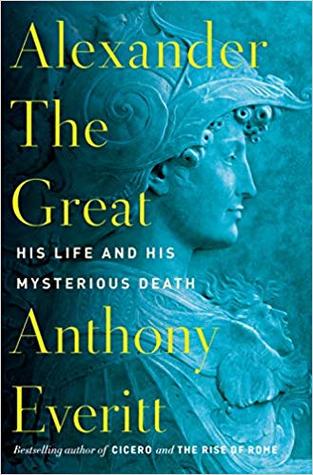 Alexander the Great: His Life and His Mysterious Death
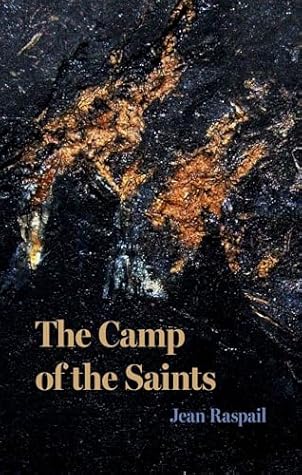 The Camp of the Saints
 The Woman in the Dunes
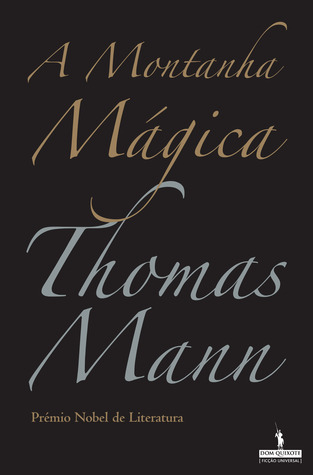 A Montanha Mágica
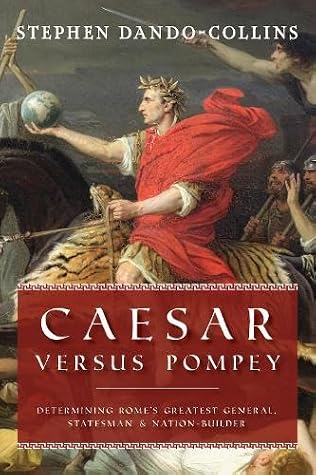 Caesar Versus Pompey: Determining Rome’s Greatest General, Statesman & Nation-Builder
 Principles for Dealing with the Changing World Order: Why Nations Succeed and Fail
 Pagan Imperialism
 The Napoleonic Wars: A Global History
 The Mysterious Flame of Queen Loana
 On Trails: An Exploration
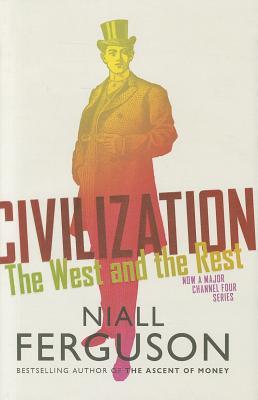 Civilization: The West and the Rest
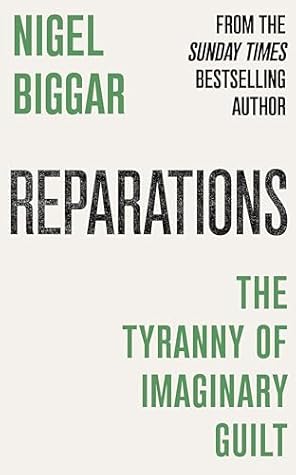 Reparations: Slavery and the Tyranny of Imaginary Guilt
Favourites the five-star shelf
The Camp of the Saints On Heroes, Hero-Worship, and The Heroic in History
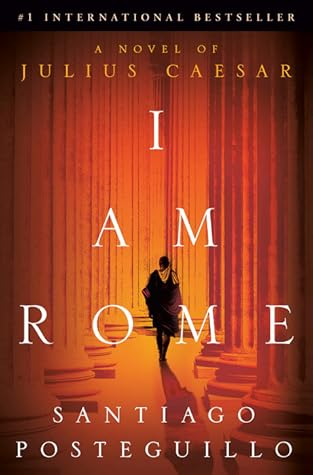 I Am Rome (Julius Caesar, #1)
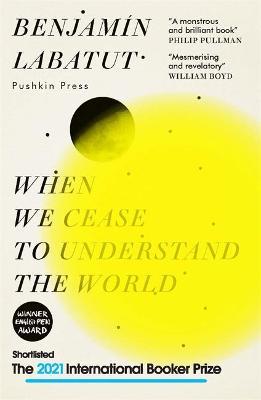 When We Cease to Understand the World
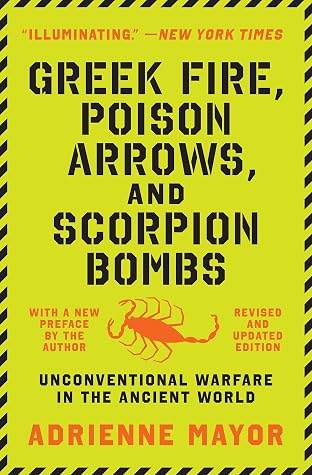 Greek Fire, Poison Arrows, and Scorpion Bombs: Unconventional Warfare in the Ancient World
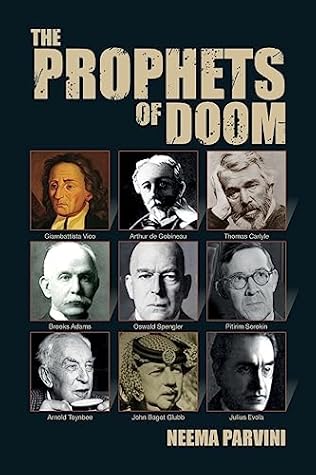 The Prophets of Doom
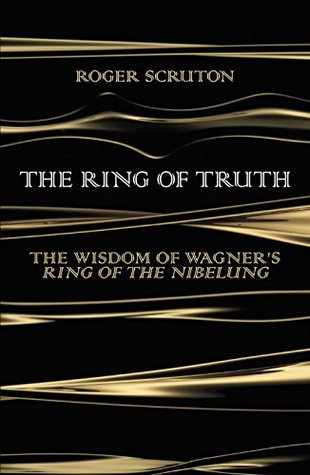 The Ring of Truth: The Wisdom of Wagner's Ring of the Nibelung
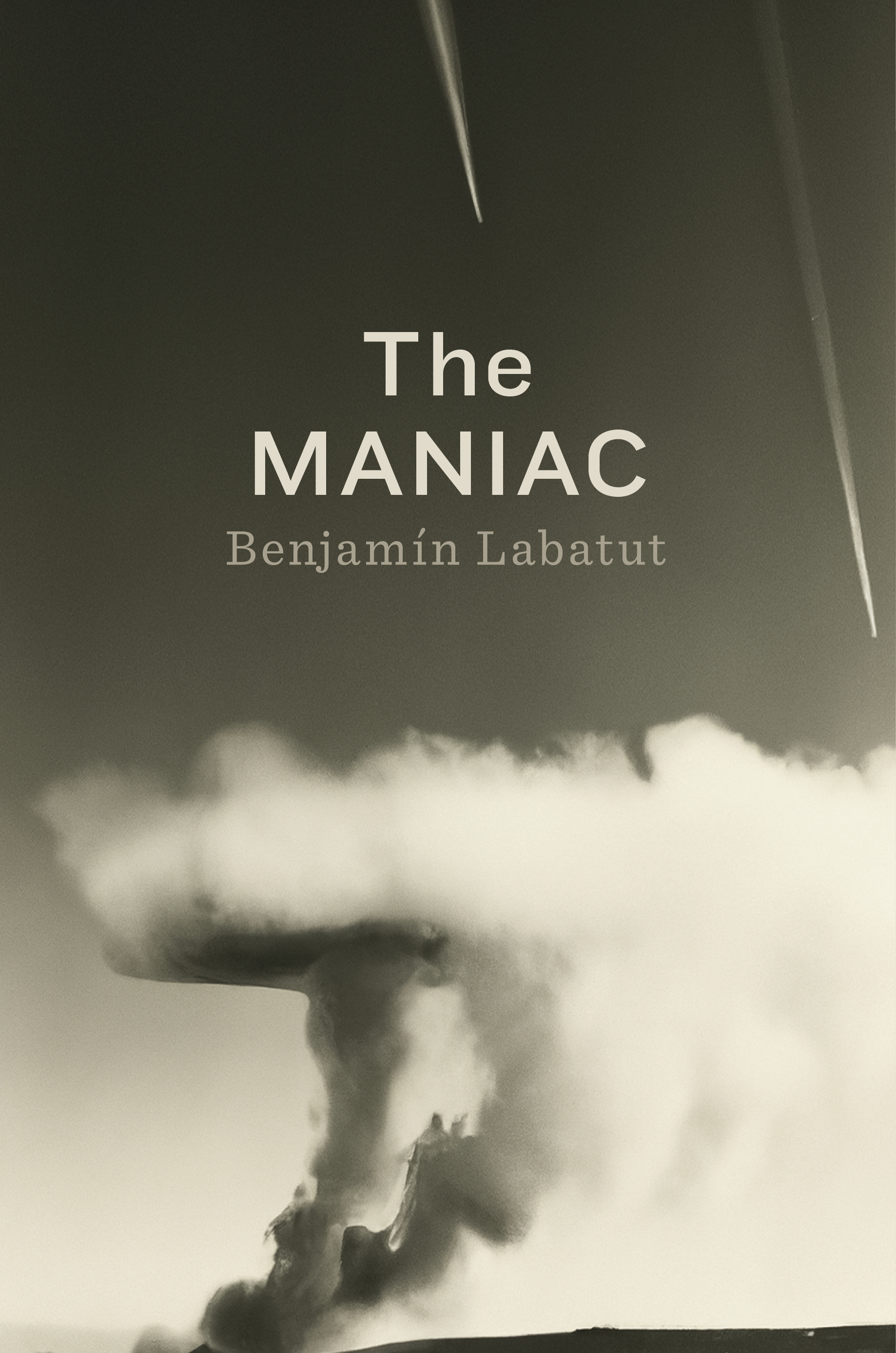 The Maniac
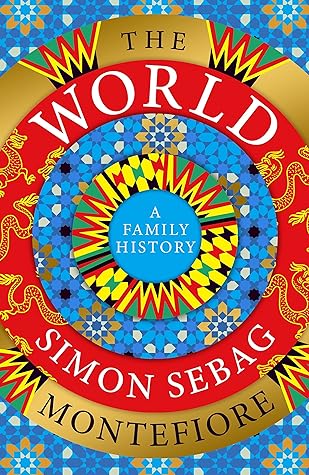 The World: A Family History
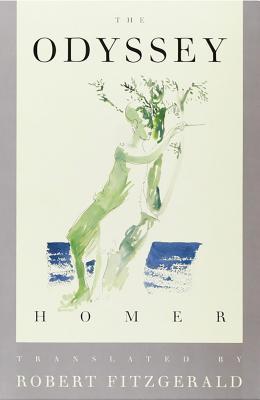 The Odyssey
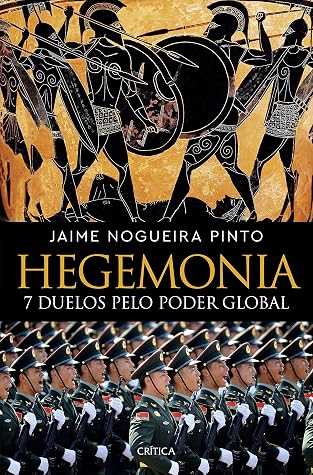 Hegemonia - 7 Duelos pelo Poder Global (Crítica Portugal) (Portuguese Edition)
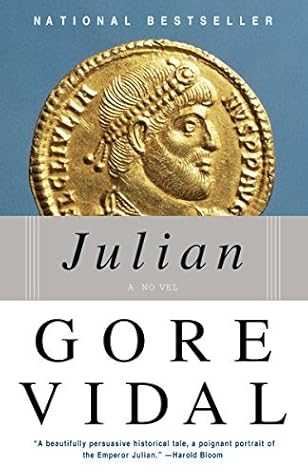 Julian
Favourite lines highlighted while reading, via Readwise
There is no love," said Ptahor emphatically. "A man is sad when he has no woman to lie with, and when he has lain with one, he is still sadder. So it has ever been and ever will be."
Wagner said of the descent into Nibelheim that it should convey a demonic delight in destruction: something that we modern people have witnessed in abundance. But we turn away from the terrible truth – the truth that everything we hold as precious, including both love and law, rests on a thin crust above a seething magma of resentment.
There are as many gods as there are people who believe them, and the so-called human sciences are no better than philosophy, just mindless games played with meaningless words. Mathematics is different. It has always been held up as a torch, the true light of reason, blinding and unquestionable
Better an autocratic Caesar than provinces open to the depredations of barbarians. Better the stability that the Flavians had restored to the world than the chaos that had preceded their rule. Better, in the final reckoning, tyranny than anarchy.
I love you more than anything in the world. I love you despairingly, inconsolably. You are my Greece. You are my Constantinople. In the fullness of time Constantinople must fall, just as your body will one day be dissolved. That is why earthly love is so comfortless. When we love we are more acutely the prisoners of time and space than at any other moment.
“Culture gives us the ability to act in a loosely coupled way; it allows us to pursue a diversity of tactics. Uncertainty is the mind-killer and culture creates certainty in the face of the yawning shapeless void of possible solutions that is software engineering.”
Napoleão não entendera os Russos, como não entendera os Espanhóis e os Portugueses. Nos extremos da Europa das Luzes, estes povos – sobretudo as massas rurais – estavam ainda longe da sofisticação e da fraqueza dos «civilizados».
“I enjoyed sleeping with her, and I miss her every now and then, but finally, she didn’t move me. I don’t know, sometimes I think I’ve got this hard kernel in my heart, and nothing much can get inside it. I doubt if I can really love anybody.”
It’s hard to tell the difference between sea and sky. Between voyager and sea. Between reality and the workings of the heart.
Hence always, in The Ring, the orchestra knows more than the characters on the stage, since it has kept in its memory the critical episodes that they have either not noticed or forgotten or never had the chance to observe. In this way Wagner re-creates the effect of the Greek tragedy, in which the chorus (the orchestra), and therefore the audience, knows more than any of the principal characters.
We sailed into the past. We were young. We knew power and great finance were temporary things. We all slept with Herodotus. “For those cities that were great in earlier times must have now become small, and those that were great in my time were small in the time before.… Man’s good fortune never abides in the same place.”
You think you are an iconoclast, but you’re not. You just move, or replace what you cannot have. If you fail at something you retreat into something else.
We enjoy comedies, but we do not enjoy tragedies. We are inspired, elevated, consoled by them—but that is not what we normally mean by enjoyment. The desire to repeat the experience stems not from the pursuit of pleasure, but from a deeper need for restoration, of a kind that we know also from religious ritual.
Wagner was not in any orthodox sense a believer. But nor was he an unbeliever, content like Shelley to jettison the religious attitude to the world. He was a quasi-believer who wished to reattach the symbols of religion to their undying meaning—a meaning that had been distorted by materialist society and theological doctrine but which is as real for us as it was for medieval Christian society.